
Furniture for Digital Nomads: How the Fully Furnished Market is Changing the Game

Read Time:4 Minute, 19 Second
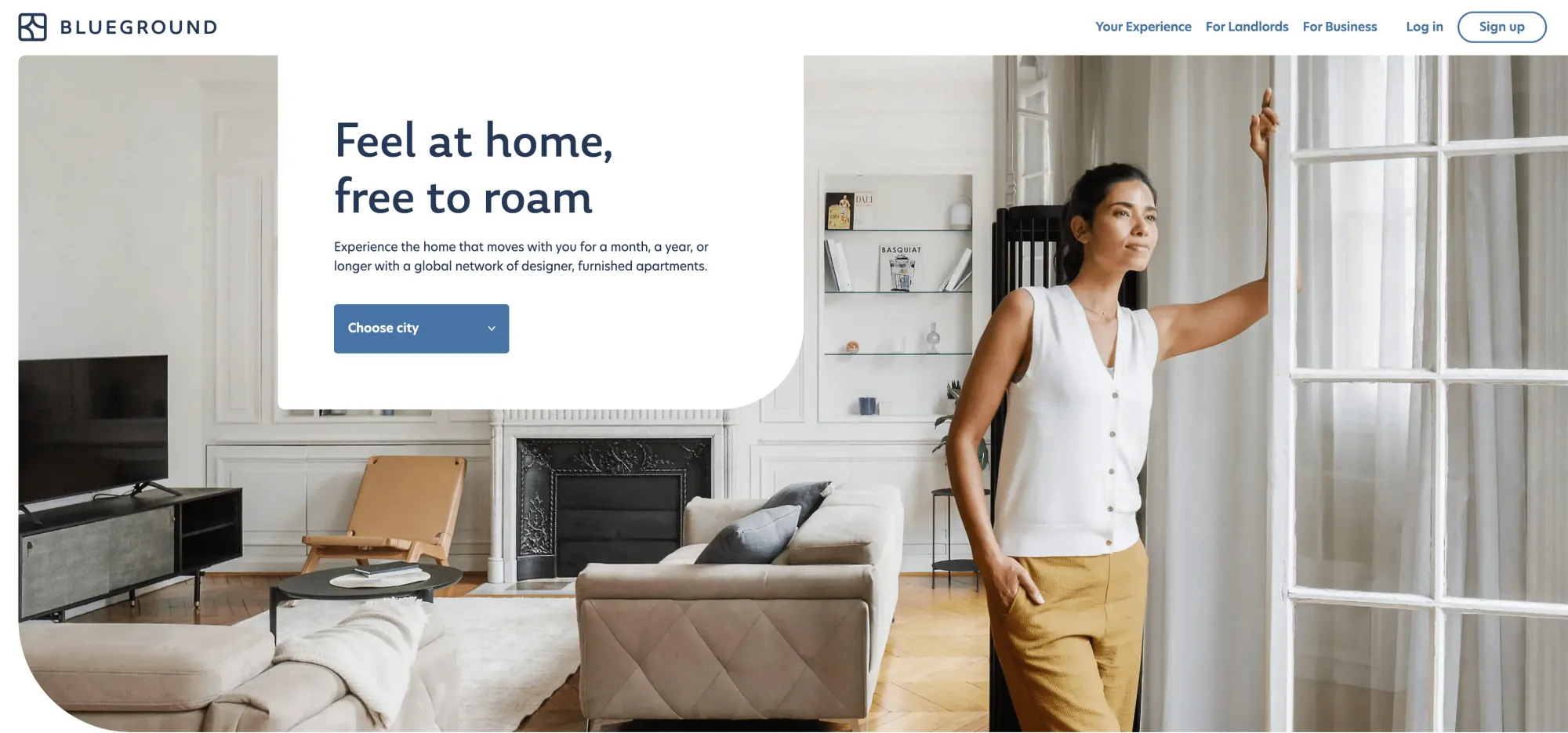
Picture this: you land in a new city, your backpack stuffed with a laptop and a few essentials. You open the door to your rental, and… it feels like home. Not a sterile hotel, not an empty shell, but a space designed for living and working. That’s the promise—and honestly, the new necessity—for the modern digital nomad.
The rise of remote work has exploded the demand for fully furnished rentals. But we’re not talking about your grandma’s heavy mahogany dining set. This is a whole new category. It’s furniture designed for mobility, for productivity, and for a life lived in chapters. Let’s dive into what makes this market tick.
What Digital Nomads Actually Need (It’s Not Just a Desk)
Sure, a bed and a table are the basics. But the nomadic lifestyle throws curveballs that traditional furniture simply can’t handle. The needs are specific, almost psychological.
The Core Trinity: Work, Rest, Connect
Every piece in a nomad-friendly space serves a clear purpose within this trinity.
- The Ergonomic Anchor: A proper, adjustable chair isn’t a luxury; it’s injury prevention. Paired with a desk at the right height (standing options are a huge plus), it creates a “work zone” that mentally cues focus.
- The Rest Haven: After hours on a screen, the body needs recovery. A quality mattress and blackout curtains aren’t just nice—they’re non-negotiable for resetting in unfamiliar time zones.
- The Connection Hub: This is the social heart. A comfortable sofa for two, a small dining table that isn’t also the desk, maybe even a balcony chair. It’s where you host a new friend or unwind with a video call home.
The Furniture Philosophy: Flexible, Durable, Instagram-Worthy
Here’s the deal: furniture for this market has to wear multiple hats. It’s less about permanent statements and more about adaptable tools.
Modularity is key. Think nesting tables, ottomans with storage, sofa beds that don’t scream “pull-out catastrophe.” Pieces that can be reconfigured for a work session, a dinner party, or just a lazy Sunday make a small space feel expansive.
Durability, you know, is huge. With a high turnover of tenants, materials need to withstand constant use without looking tired. Performance fabrics that resist stains, easy-clean surfaces, and sturdy construction are the behind-the-scenes heroes. No one wants to stress over a wine spill on a white couch they don’t own.
And yes, aesthetics matter—a lot. The aesthetic is often “neutral with personality.” Light woods, clean lines, a palette that feels calm and bright. It allows the nomad to project their own identity onto the space quickly, with a few personal items. It’s also, frankly, what gets shared online. A beautiful, functional space is marketing gold for rental hosts.
The Landlord’s Calculus: Why Fully Furnished Wins
From the property owner’s side, catering to digital nomads isn’t just a niche anymore; it’s a smart business strategy. The economics are compelling.
| Factor | Traditional Unfurnished | Nomad-Focused Furnished |
| Tenant Turnover | Lower (1-2 years) | Higher (1-6 months) |
| Rental Premium | Market Rate | 20-40% Higher |
| Target Tenant | Local professionals, families | Remote workers, global professionals |
| Furniture Investment | Tenant’s responsibility | Landlord’s upfront cost |
| Competition | High | Lower (in many markets) |
The table tells a story. The higher rental income and reduced vacancy rates—because let’s face it, a well-marketed nomad pad books fast—often outweigh the initial furniture investment. It creates a premium product in a crowded rental market.
Pain Points and The “Just Right” Solution
It’s not all perfect. There are friction points. Nomads complain about poorly lit workspaces, kitchens with zero useful gadgets, or decor that’s just… soul-less. On the flip side, landlords fear damage and the constant wear-and-tear.
The sweet spot? Furniture and decor that strikes a balance between sturdy and stylish, between functional and inviting. It means providing that ergonomic chair, but also a few plants. It means a blender for smoothies and a router that can handle three video calls at once. It’s the details that signal, “We get your lifestyle.”
Looking Ahead: The Future is Flexible
So where is this all going? The trend is accelerating. We’re seeing the rise of “smart” furniture—modular shelving systems, beds with integrated lighting and charging. Even the rental model is evolving, with subscription furniture services for landlords, making it easier to update and maintain inventory without huge capital outlays.
The line between a rental and a home is blurring. For the digital nomad, home is less a permanent address and more a collection of experiences. And the furniture in each temporary landing pad is the silent partner in that experience—it can either enable a productive, joyful chapter or become a daily frustration.
In the end, this shift is about more than tables and chairs. It’s about designing for a new kind of life. A life in motion. And the market, well, it’s finally catching up to provide a foundation—literally—that doesn’t just house people, but supports how they actually live and work now. Which, when you think about it, is what good design was always supposed to do.


Happy
0 %

Sad
0 %

Excited
0 %

Sleepy
0 %

Angry
0 %

Surprise
0 %
 0
0
 0
0


More Stories
Adaptable Furniture Solutions for Multigenerational Households: Designing a Home That Grows With You
Let's be honest—the dream home isn't a static picture from a magazine anymore. For more families than ever, it's a...
Sustainable and Circular Furniture Design for Urban Micro-Apartments
Let’s be honest. Living in a city micro-apartment can feel like a constant puzzle. You’re trying to fit your life,...
Designing Multi-Generational Living Spaces with Adaptable and Accessible Furniture
Let’s be honest—the modern family home is changing. It’s no longer just parents and kids. More and more, we’re seeing...
Vintage and Antique Furniture Restoration: A Guide to Breathing New Life into Old Wood
That old dresser in the attic, the one with the wobbly leg and the finish that's seen better days... it's...
Sustainable and Eco-Friendly Furniture Materials and Sourcing: A Guide to Greener Living
Let's be honest. Buying furniture used to be simple. You found a style you liked, checked the price tag, and...
Space-saving furniture designs for urban living
Let’s face it—city living isn’t always spacious. Apartments shrink, rent climbs, and suddenly your "cozy" studio feels more like a...
Average Rating